

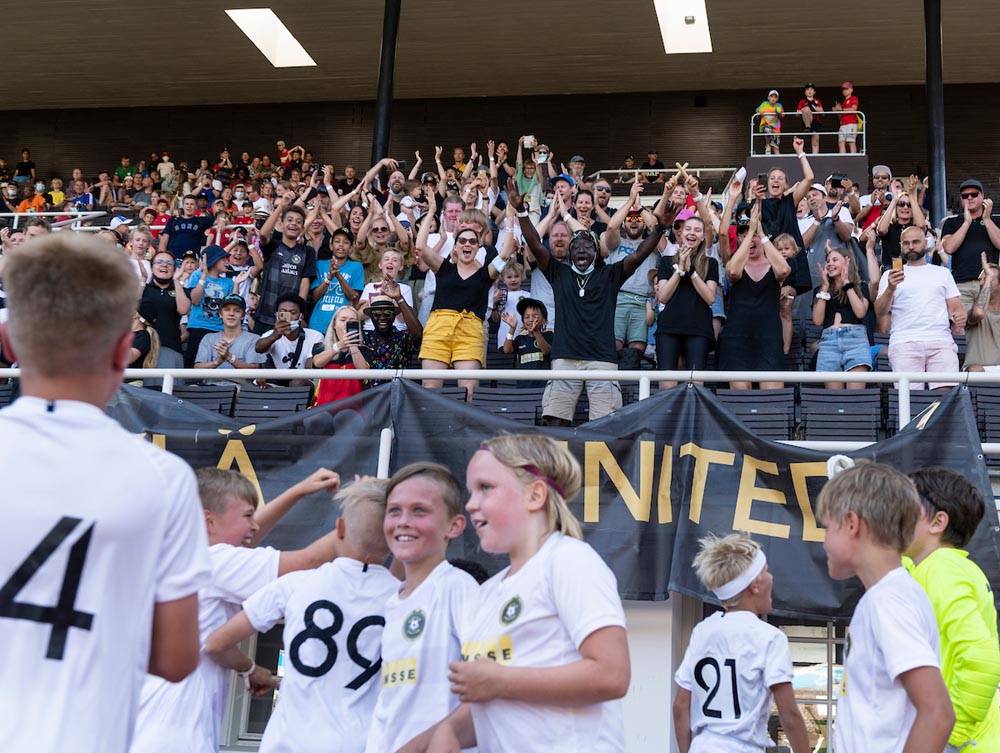
Youth sport events: Safer spaces for the next generation
While youth sport events can act as a powerful driver for long-term participation and social cohesion, sideline misconduct can erode the quality of their environments. Our analysis shows that safeguarding must shift from reactive incident management to proactive governance—systematically addressing the events' "behavioural architecture" to ensure that equality and inclusion are lived realities, not just stated values.
The challenges facing youth sport have intensified in recent years, making immediate and coordinated action both timely and necessary. The COVID-19 pandemic significantly reduced children’s access to structured physical activity, peer interaction, and community belonging. European data has documented increased levels of anxiety, reduced motivation, and declining participation in organized sport among young people. Rebuilding safe, motivating, and inclusive sport environments is therefore directly aligned with current EU recovery priorities, mental health objectives, and social cohesion goals.
At the same time, sport environments have become more socially and culturally diverse. This diversity represents a major strength for European sport, but it also requires stronger and more consistent governance structures to ensure that equality, inclusion, and non-discrimination are systematically protected. Without structured guidance, diverse and high-intensity environments can amplify tensions, misunderstandings, and unequal treatment.
INTERVENTION POINT: ADULT BEHAVIOUR
Adult behaviour by coaches, parents/spectators, and officials represents one of the most influential determinants of children’s sport experiences. Research consistently demonstrates the impact of adult-created motivational climates on children’s psychological safety and long-term engagement (cf., Smith & Smoll, 2009; Duda & Balaguer, 2007). Importantly, the negative impact is measurable: increased stress and anxiety among children, reduced enjoyment, higher dropout rates, erosion of inclusive values, and normalization of disrespectful conduct. Over time, these patterns undermine equality, non-discrimination, and integrity in sport — values that are central to the European sport model.
In contrast to its crucial role, inappropriate adult behaviour remains a structurally under-addressed safeguarding risk in sport environments. In fact, recent data shows that while awareness of safeguarding is at an all-time high, the prevalence of adult-led misconduct remains a systemic issue. This is particularly true for the format of youth sport events, which range from small local meets to large international tournaments. In many European countries, such events have a central function in building the foundation for a lifelong love of play, participation and exercise—or the opposite.
Excessive performance pressure, verbal aggression, hostility toward referees, and discriminatory conduct can directly undermine children’s motivation, self-esteem, and long-term engagement. These patterns are not isolated incidents; they are widespread across youth sport events throughout Europe. Large-scale tournaments make these challenges visible on a scale.
The normalization of emotionally harmful behaviour continues to erode the quality and safety of such events; an environmental quality and safety whose enormous importance is addressed by several most recent key documents on European level: The EU Work Plan for Sport 2024–2027 lists “safe sport environments” as a primary strategic objective. The UNESCO Santiago Roadmap (2025) charts the global course for “inclusive and equitable” sport through 2028. The Safe Harbour Project (2025) highlights high-level sport issues of safeguarding capacity, leadership, legal complexity and clarity in National Olympic Committees and International Federations.
As youth sport events daily bring together a large number of children and adults across Europe, further compromising children’s rights is not an option. Adding to their relevance, tournaments provide young people with early opportunities for responsibility through refereeing, volunteering, and event roles. These are crucial platforms for developing employability skills, active citizenship, and leadership capacity. However, exposure to verbal abuse, discrimination, or disrespect negatively affect these developmental pathways. Protecting these learning environments is therefore not only a safeguarding issue, but a strategic investment in youth empowerment and Europe’s future human capital.
FINNISH-AUSTRIAN PROJECT DEVELOPMENT
In response to these systemic challenges, ENOSS is currently collaborating with the Finnish organisation Suomen urheilijoiden koulutus- ja ammatinedistämissäätiö—associated with the Helsinki Cup, the second-largest football tournament in the world—on an international project design aiming to leverage the “behavioural architecture” of youth sport events to drive cultural change.
If your organisation is committed to protecting the future of European youth sport, we invite you to help us shape this landmark initiative. Please get in touch with us via email before 20 February to discuss potential involvement.
Photo courtesy of © Helsinki Cup
