

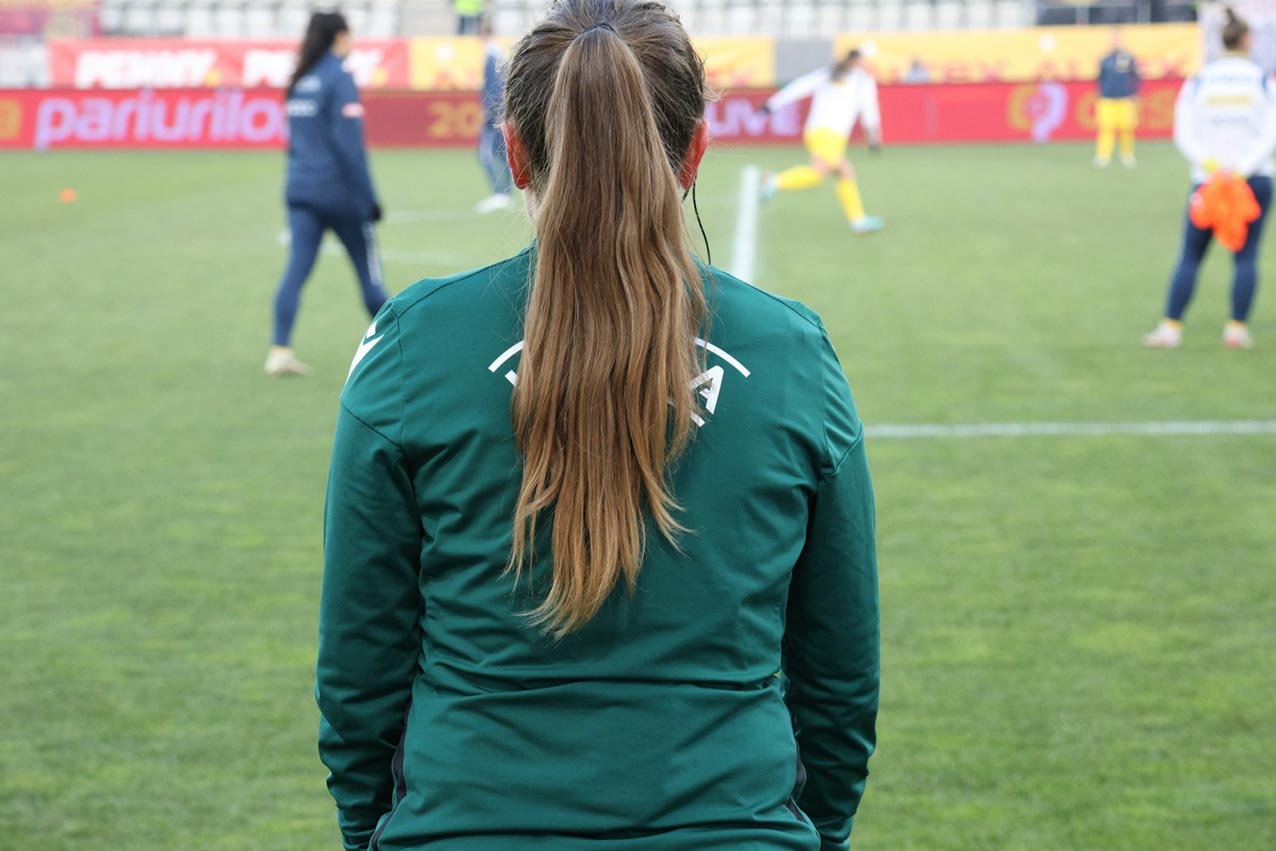
Equal coaching and female leadership in sport: ENOSS collaborates with 35by32
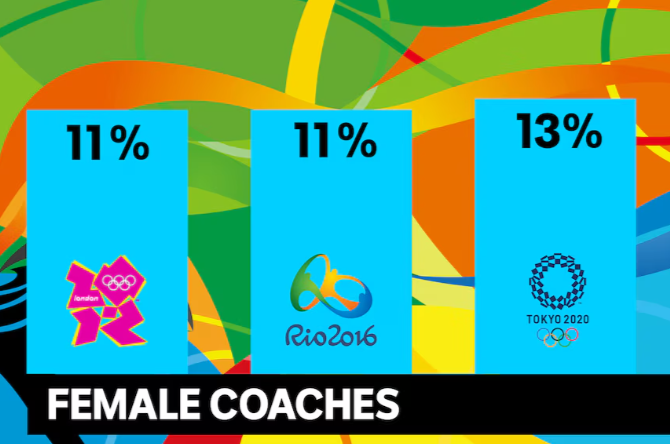
Women are still underrepresented in coaching and the management of sports organisations. As a result, there is a lack of role models, accessibility, and development pathways. This must change! Enter: 35by32.
Sport requires performance, clarity, and good decision-making. That is exactly why it also needs more diverse leadership. Mixed teams bring different perspectives, ask better questions, and often make more balanced decisions. It is not about playing men against women. It is about unlocking the full potential of a system.
“Equal coaching and female leadership in sport are not niche issues. They are a field of development for sports as a whole.”
“Equal coaching and female leadership in sport are not niche issues. They are a field of development for sports as a whole.”
Sara Montagnolli
35by32 project lead & ENOSS associate expert
When leadership structures always look the same, the solutions often stay the same too. Having more women in coaching and leadership roles expands the perspective on communication, development, team culture, and talent promotion. This is not a symbolic issue; it is a quality factor. Anyone who wants to make sports future-proof must bring more perspectives to the table. Consequently, real change happens when women are not just celebrated, but purposefully prepared, supported, and placed into positions of responsibility.
EMPOWERING WOMEN'S SPORT: A CORE MISSION FOR ENOSS
ENOSS is proud to collaborate with 35by32 ⋅ Female Coaches Pipeline Austria. Funded by the Austrian Federal Ministry for Housing, Arts, Culture, Media, and Sport, this is a nationwide pilot project that makes talented female coaches visible, provides regional support, and connects them. The ultimate goal is to sustainably bring more women into coaching and leadership roles in sports.
Promoting women’s sports and championing gender equality are core support topics for ENOSS. We firmly believe that creating equal opportunities, fair representation, and robust support systems for female athletes and coaches is essential to the future of sport across Europe. Because these values run so deep in our network, we are doing more than just cheering from the sidelines.
To ensure its sustainable success and growth, ENOSS associate experts Sara Montagnolli (project lead of 35by32) and Wolfgang Stockinger together with ENOSS chairperson Oliver Schmidt are working on the project’s strategic long-term development.
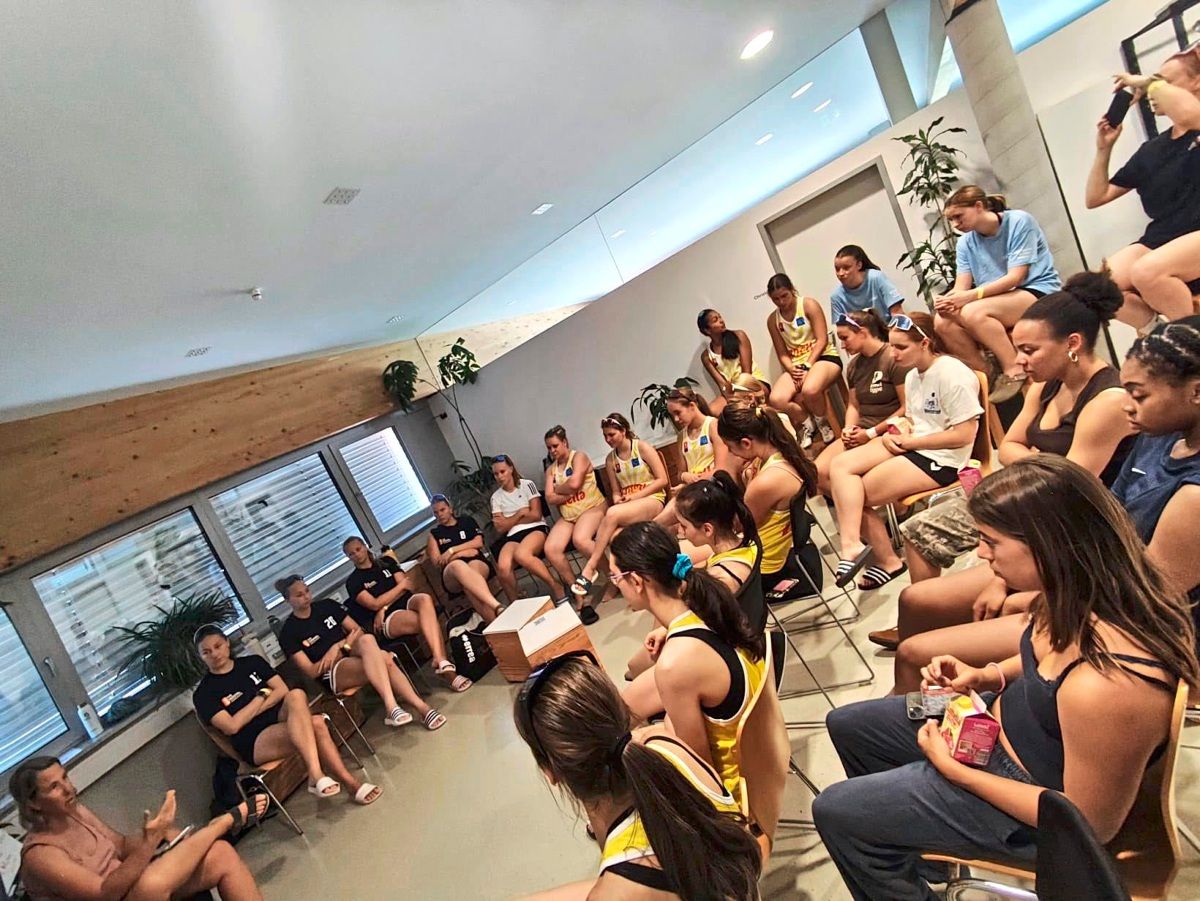


Sport schools as talent development environments: The best of two worlds?
Secondary athlete education models are the backbone of national high-performance systems. By providing talented student athletes with a holistic blend of academic, athletic, and lifestyle support, these models strive to ensure success both on and off the field. While these systems have a deep-rooted history within the EU, they have historically lacked international platforms for high-level exchange.
The European Network of Sport Schools Conference initiated by ENOSS in 2019 took a pioneering step toward closing this gap. Our congresses in Berlin and Luxemburg offered a global stage for talent models to connect and inspire the wider sport and education communities. It is encouraging to see this momentum continue as more international conferences address this vital field.
ENOSS EXPERT TO SPEAK AT TIDES 2026
The TIDES 2026 Conference hosted by Leeds Beckett University is such an event; discovering cutting-edge research, innovative strategies, and global perspectives dedicated to this year’s main theme “Reimagining Talent: People, places, and possibilities in sport”. Over two days, leading international practitioners and researchers explore best practices in talent identification and development.
ENOSS is delighted that our associated expert, Koen De Brandt, has been selected to present in Leeds. Joining a distinguished panel of researchers—Fieke Rongen, Ffion Thompson, and Milla Saarinen—who are all specialists in performance lifestyle support, Koen will speak on “Sport-schools as talent development environments: The best of both worlds?” The session promises to offer deep insights into how dual career environments can be optimized for the next generation of high-performance athletes.
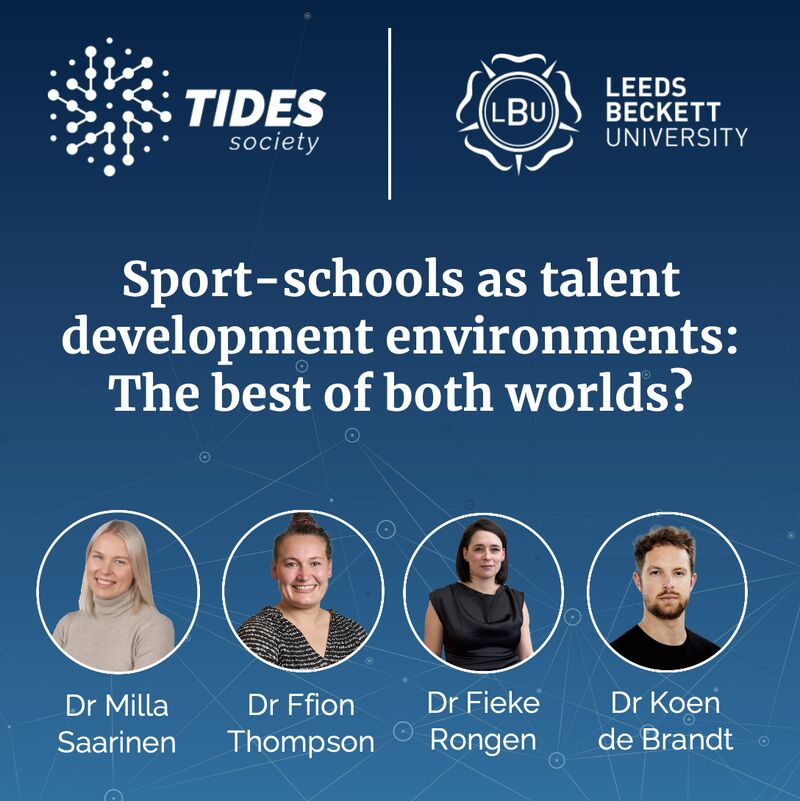
Find details about the upcoming event (10-12 June 2026) and official registration at the TIDES event page.
Photo © TIDES 2026
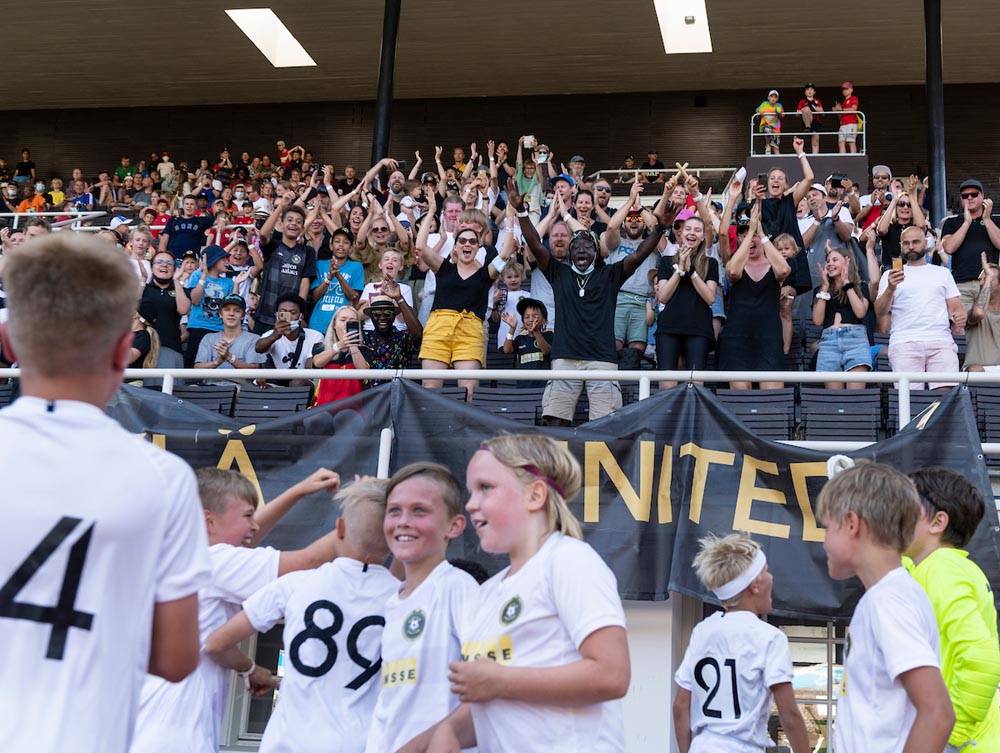
Youth sport events: Safer spaces for the next generation
While youth sport events can act as a powerful driver for long-term participation and social cohesion, sideline misconduct can erode the quality of their environments. Our analysis shows that safeguarding must shift from reactive incident management to proactive governance—systematically addressing the events' "behavioural architecture" to ensure that equality and inclusion are lived realities, not just stated values.
The challenges facing youth sport have intensified in recent years, making immediate and coordinated action both timely and necessary. The COVID-19 pandemic significantly reduced children’s access to structured physical activity, peer interaction, and community belonging. European data has documented increased levels of anxiety, reduced motivation, and declining participation in organized sport among young people. Rebuilding safe, motivating, and inclusive sport environments is therefore directly aligned with current EU recovery priorities, mental health objectives, and social cohesion goals.
At the same time, sport environments have become more socially and culturally diverse. This diversity represents a major strength for European sport, but it also requires stronger and more consistent governance structures to ensure that equality, inclusion, and non-discrimination are systematically protected. Without structured guidance, diverse and high-intensity environments can amplify tensions, misunderstandings, and unequal treatment.
INTERVENTION POINT: ADULT BEHAVIOUR
Adult behaviour by coaches, parents/spectators, and officials represents one of the most influential determinants of children’s sport experiences. Research consistently demonstrates the impact of adult-created motivational climates on children’s psychological safety and long-term engagement (cf., Smith & Smoll, 2009; Duda & Balaguer, 2007). Importantly, the negative impact is measurable: increased stress and anxiety among children, reduced enjoyment, higher dropout rates, erosion of inclusive values, and normalization of disrespectful conduct. Over time, these patterns undermine equality, non-discrimination, and integrity in sport — values that are central to the European sport model.
In contrast to its crucial role, inappropriate adult behaviour remains a structurally under-addressed safeguarding risk in sport environments. In fact, recent data shows that while awareness of safeguarding is at an all-time high, the prevalence of adult-led misconduct remains a systemic issue. This is particularly true for the format of youth sport events, which range from small local meets to large international tournaments. In many European countries, such events have a central function in building the foundation for a lifelong love of play, participation and exercise—or the opposite.
Excessive performance pressure, verbal aggression, hostility toward referees, and discriminatory conduct can directly undermine children’s motivation, self-esteem, and long-term engagement. These patterns are not isolated incidents; they are widespread across youth sport events throughout Europe. Large-scale tournaments make these challenges visible on a scale.
The normalization of emotionally harmful behaviour continues to erode the quality and safety of such events; an environmental quality and safety whose enormous importance is addressed by several most recent key documents on European level: The EU Work Plan for Sport 2024–2027 lists “safe sport environments” as a primary strategic objective. The UNESCO Santiago Roadmap (2025) charts the global course for “inclusive and equitable” sport through 2028. The Safe Harbour Project (2025) highlights high-level sport issues of safeguarding capacity, leadership, legal complexity and clarity in National Olympic Committees and International Federations.
As youth sport events daily bring together a large number of children and adults across Europe, further compromising children’s rights is not an option. Adding to their relevance, tournaments provide young people with early opportunities for responsibility through refereeing, volunteering, and event roles. These are crucial platforms for developing employability skills, active citizenship, and leadership capacity. However, exposure to verbal abuse, discrimination, or disrespect negatively affect these developmental pathways. Protecting these learning environments is therefore not only a safeguarding issue, but a strategic investment in youth empowerment and Europe’s future human capital.
FINNISH-AUSTRIAN PROJECT DEVELOPMENT
In response to these systemic challenges, ENOSS is currently collaborating with the Finnish organisation Suomen urheilijoiden koulutus- ja ammatinedistämissäätiö—associated with the Helsinki Cup, the second-largest football tournament in the world—on an international project design aiming to leverage the “behavioural architecture” of youth sport events to drive cultural change.
If your organisation is committed to protecting the future of European youth sport, we invite you to help us shape this landmark initiative. Please get in touch with us via email before 20 February to discuss potential involvement.
Photo courtesy of © Helsinki Cup
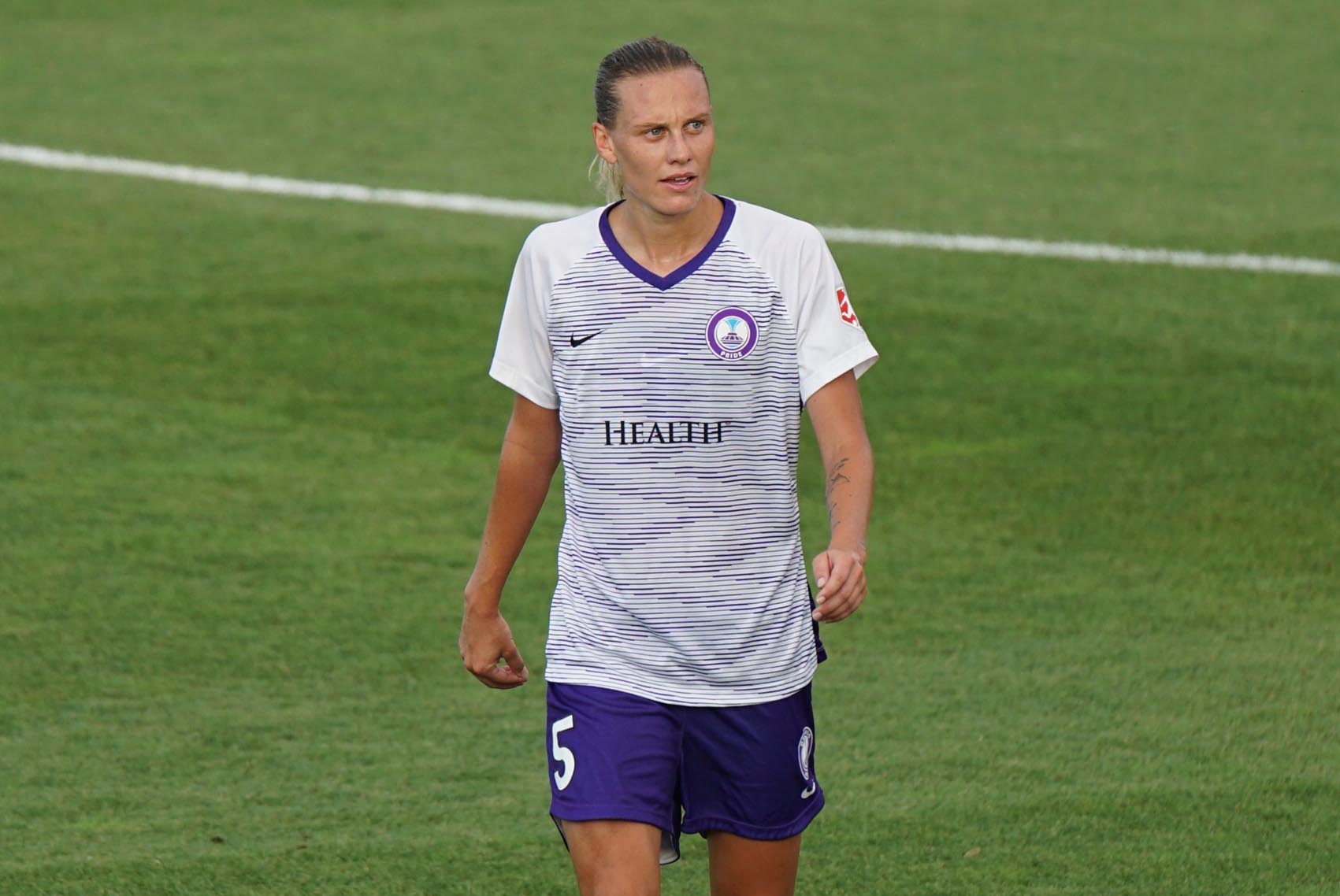
Research publication: Meeting career development needs of female athletes
While we know that female athletes navigate distinct career hurdles, most existing support structures are still rooted in evidence from male athletic pathways. To address this imbalance, the EU-funded HerForm project—including ENOSS associate experts—has conducted international research. Their study marks a turning point, offering a first-of-its-kind look at the specific development needs of women in sport.
ABSTRACT
Across their careers, female athletes face specific challenges, such as adjusting their training to their menstrual cycle or balancing their private and athletic life. Compared with their male counterparts, there is limited knowledge on how to best support the career development of female athletes.
In adopting an integrated knowledge translation approach, this study aimed to assess female athletes’ perceptions of career development needs and knowledge gaps relevant to navigating elite sports. Within the Erasmus+ project HerForm, a total of 132 elite female athletes ( M age = 25.9 ± 6.0 years) in their early- ( n = 47), mid- ( n = 30), and late-career stages ( n = 55) across Europe and South Africa were included.
Athletes were asked to indicate their perceived preparedness in managing 18 development areas relevant to their career (e.g., managing travel) and their respective need for information in these within an online survey. Overall, athletes indicated they were most prepared to develop and maintain social relationships. Areas in which athletes expressed they were least prepared for and wanted to be more informed about included returning to sport after child birth, negotiating contracts, obtaining sponsorships, mental health, and developing a personal brand. Athletes in their early- and midcareer stages appeared to have similar and highest information needs.
Findings are discussed based on areas most salient to advance female careers in sports, drawing from psychological, sociological, and economic evidence.
Key points
- A multinational coproductive approach was utilized to identify career development and information needs of elite female athletes (N=132).
- Athletes appeared most prepared to develop social relationships and least prepared to manage postpartum return to sport, contract negotiations, and mental health.
- Findings highlight the need to implement individually tailored support programmes specifically for early- and mid career stage females.
The full open-access article, “Meeting Career Development Needs of Female Elite Athletes—A Coproductive Approach to Career Support,” co-authored by the ENOSS associate experts Ruan Schlebusch and Wolfgang Stockinger, is now available on ResearchGate.
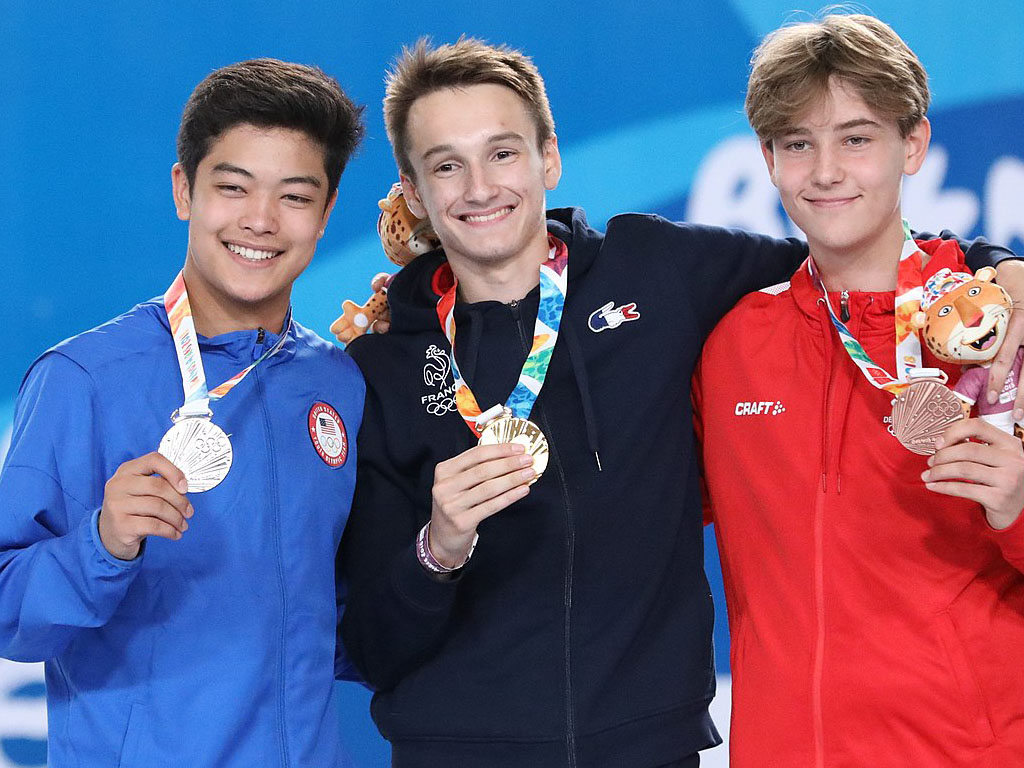
Partner with ENOSS in Erasmus+ Sport
As the Erasmus+ Sport Info Day approaches, now is the perfect time to explore impactful collaborations: enhance your project with ENOSS.
The upcoming call for proposals offers a remarkable opportunity to advance education, training, youth, and sport in Europe. ENOSS is currently seeking mission-aligned partners to explore high-impact collaboration possibilities for the 2026 cycle. We activate a legacy of distinguished achievement through our associate experts, who hold a prominent track record in high-level international projects.
For this year’s application window, we are specifically looking to lend our expertise to projects centered around:
- Safe sport
- Female athlete care
- European sport model
If you are seeking a reliable partner for your Erasmus+ Sport application, let’s connect. Reach out to discuss how ENOSS can contribute to your undertaking.
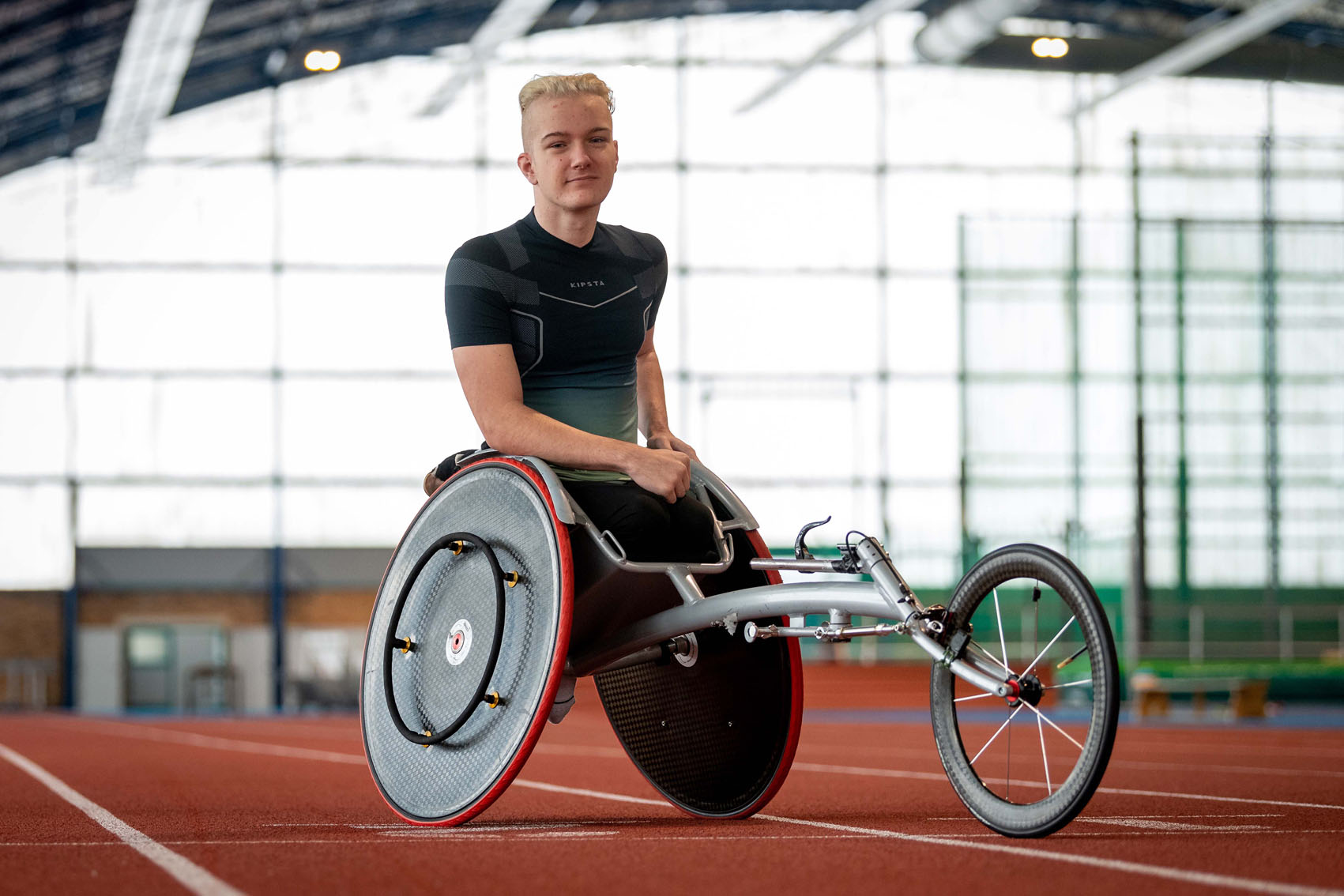
Back on Track : New Ways - Review of the European Network of Sport Schools Conference 2021
Presenters from 3 continents, participants from 30 different countries: The virtual ENOSS Conference 2021 “Back on Track : New Ways” united the world of secondary athlete education and talent development models.
In the COVID-19 crisis, institutions across Europe were asked to come up with new strategies to navigate their systems through wild waters. The ENOSS Conference on 1-2 December 2021 aimed to help sport and education institutions share, discuss and exploit the manifold innovation that has been created across the globe during this difficult period.
Making it possible for a maximum amount of European practitioners to join, #enoss2021 took place online. Simultaneously, the conference managed to create a most interactive virtual event to enable practitioners to exchange expertise and experience – even in digital form.
LIVE FROM LUXEMBOURG
Two rich days of keynotes, workshops and a round table marked the cornerstones of the second ENOSS Conference. Co-hosted by Sportlycée Luxembourg and TWIN, the event gave stage to innovative international approaches in the core areas of system development, psychology, student athlete counselling, and talent development.
“As this year’s host, we wanted different professional backgrounds to come together in this conference. Looking at our programme, we were proud to present such a variety of topics and experts. Bringing in sport school perspectives from other continents was the icing on the cake of this event.”
“As this year’s host, we wanted different professional backgrounds to come together in this conference. Looking at our programme, we were proud to present such a variety of topics and experts. Bringing in sport school perspectives from other continents was the icing on the cake of this event.”
Pascal Schaul, #enoss2021 host
ENVISAGING THE SPORT SCHOOL OF THE FUTURE
In the conference keynote, South African expert Ruan Schlebusch took a close look at modern fundamentals of student athlete support. Do these look different in a post-Covid world to what they did in 2020? He proclaimed that the time we were in was a golden opportunity for institutions to reflect, reset and move forward to make a positive impact in their unique setting.
“In this time of rapid change, there must be inevitable rapid change in the student-athlete support landscape too.”
“In this time of rapid change, there must be inevitable rapid change in the student-athlete support landscape too.”
Ruan Schlebusch, #enoss2021 keynote speaker
Bringing together a consortium of experts representing versatile professional backgrounds, the Round Table “Envisaging the 2030 sport school” (watch the recording here) lid up spaces of dual career support with particular potential for optimisation, leering at an ideal institutional picture of the future.
“Sharing an ethics of support across the different stakeholders within their system, building an overall concept and then living this concept is key for sport schools and talent development models.”
“Sharing an ethics of support across the different stakeholders within their system, building an overall concept and then living this concept is key for sport schools and talent development models.”
Raymond Conzemius, #enoss2021 panelist
Thank you to all international participants for making the ENOSS Conference 2021 a remarkable get together in difficult times!
Photo courtesy of © Tilo Wiedensohler
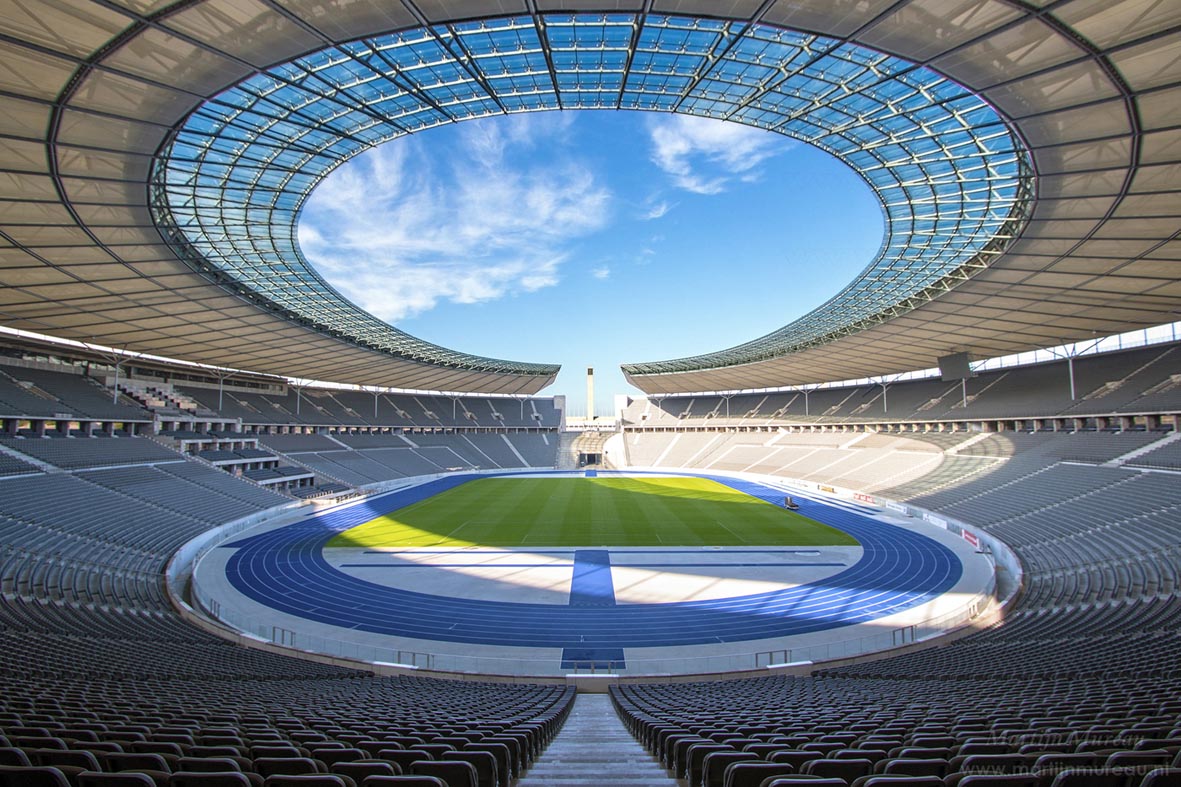
Making the next step - An insight into the European Network of Sport Schools Conference 2019
From 7-8 November 2019, the first ever ENOSS Conference entitled “The Next Step” was held in Berlin, Germany. Like-minded professionals in education and sport from 16 European countries followed the invitation of the ENOSS consortium to network and exchange best practice.
Day 1 of #enoss2019 was dedicated to the topic of health. International experts, namely Markus Flemming (SLZB, Germany), Andreas Hülsen (Olympiastützpunkt Berlin, Germany), Laurent Carnol (LIHPS, Luxembourg) or Jürgen Dietrich/Andrea Stegmann/Claudius Schäfer (Brillat-Savarin Schule, Germany) shared multi-sided insights into their routine with talented athletes, spanning health-related dimensions such as sport psychology, dual career or nutrition.
Day 2, conducted in the spectacular location of the Olympic Stadium of Berlin, pursued the mission to initiate a European Network of Sport Schools. In his opening keynote, ENOSS co-initiator Wolfgang Stockinger (TWIN, Austria) emphasized the necessity of strategic European cooperation. Following, the international delegates concretized the requirements for the further development of a European network in the form of expert work groups.
“The quality of services provided by sport schools in cooperation with policy makers and sport bodies is of vital importance for sustainable pathways of aspiring athletes, in amateur as well as in professional sports. A network like ENOSS can be an important catalyst for innovative dual career practice across borders.”
“The quality of services provided by sport schools in cooperation with policy makers and sport bodies is of vital importance for sustainable pathways of aspiring athletes, in amateur as well as in professional sports. A network like ENOSS can be an important catalyst for innovative dual career practice across borders.”
Wolfgang Stockinger, European Network of Sport Schools initiator
Thank you to all international delegates who made the 1st ENOSS Conference a big success!
Photo © Creative Commons Attribution-Share Alike 4.0 International license – Martijn Mureau
Introducing the European Network of Sport Schools
In the EU, the number of athletes in need of dual career support services adds up to more than 120.000 in every Olympic cycle. Within competitive systems, secondary athlete education models play a crucial role in the development of athletic talent. For this reason, an Austrian-German consortium aims to foster the establishment of a new European exchange possibility for such models called the European Network of Sport Schools.
The quality of young athlete education in cooperation with policy makers and sport bodies is of vital importance for the sustainable pathways of aspiring athletes, in amateur as well as in professional sports. In 25 out of the 28 EU member states, athlete education models at secondary level offering specific dual career support to talented athletes can be found.
This means that this type of education institutes represent one main common ground of dual career delivery in the European Union. However, despite their history in the EU, a specific communication platform for these schools on European level does still not exist. Time for change, time for making the next step.
KICK OFF CONFERENCE IN THE OLYMPIC STADIUM OF BERLIN
Initiated by Wolfgang Stockinger (TWIN, Austria) and Philipp Struwe (SLZB, Germany), and jointly organized by the SLZB, the Berlin Senate Department for Education, Youth and Families, and the Federal Ministry of the Interior, Building and Community, the first ever European Network of Sport Schools Conference will take place in the Olympic Stadium of Berlin, Germany. In the belief of the consortium, systematizing the connections and learning arenas between secondary athlete education models will substantially contribute to improve service quality within these specific institutions, facilitate the mobility of both talented athletes and practitioners, and inspire the development of trans-national projects.
Registration for the ENOSS Conference 2019 is now open.