

Beyond the Scoreboard: Preparing young female athletes for the journey ahead
What does success really mean? How do young athletes know whether they are developing in the right direction? And how can they prepare for the different opportunities, challenges and decisions that lie ahead? These are questions that are often left until athletes reach higher levels of competition. Yet, the foundations for navigating a sporting journey are established much earlier. That is precisely where “Beyond the Scoreboard” comes in.
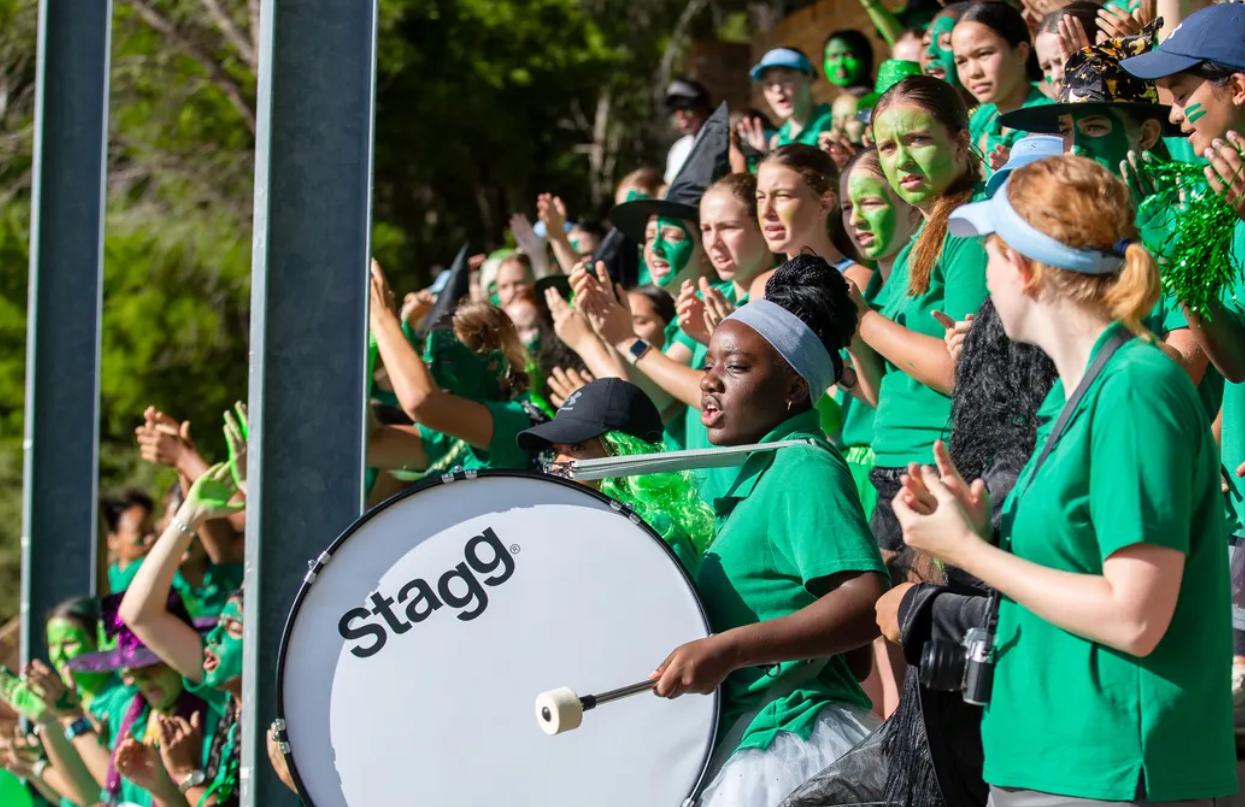
Beyond the Scoreboard is a youth sport initiative led by SportsThink360 in conceptual cooperation with ENOSS. Grade 6 learners (ages 11-12) at St Cyprian’s School for girls in Cape Town, South Africa, are introduced to some of the most important principles of athlete guidance and personal development – at a level appropriate to their age and stage.
FUNDAMENTAL QUESTIONS
Sport offers young people an incredible environment for learning, but it also brings expectations, comparisons and measures of success that can sometimes become confusing. Drawing on athlete development research and insights from initiatives such as the EU co-funded HERFORM project (including ENOSS experts), the programme explores how young athletes can develop a healthier and more informed relationship with their sporting journeys. Rather than focusing only on performance, results or selection, learners are encouraged to consider three fundamental questions:
- What does success mean to me? Young athletes are introduced to the idea that success should not simply be defined by winning, being selected or comparing themselves with others. They begin exploring their own definition of success, recognising the importance of personal growth, enjoyment, effort, learning and the values they bring to their sport.
- What should I measure – and what shouldn’t I measure? Not everything that matters in sport appears on a scoreboard. Learners explore the difference between outcomes they can influence and those they cannot, and the importance of measuring the right things. Preparation, attitude, effort, consistency and learning are all meaningful indicators of development, while results and comparisons do not always tell the full story.
- How do I prepare for the different roads ahead? Sporting journeys rarely follow a straight line. To help young athletes understand this, the programme uses an analogy of three possible roads: the high road, the middle road and the low road. The high road represents the highs, opportunities and successes that athletes hope for. The low road represents the difficult moments – injury, non-selection, disappointment or unexpected changes in direction. The middle road is where most athletes will find themselves for much of their journey: a combination of progress, ordinary days, challenges and occasional breakthroughs. An important lesson is that athletes will experience moments from all three roads, regardless of which road they ultimately find themselves on. The challenge is to recognise the road they are actually travelling, rather than the road they wish they were on, and respond accordingly. This means celebrating and making the most of the highs, developing resilience through the lows, and understanding that the middle road is not a failure to reach the high road. It is where much of the real development takes place.
STARTING AT THE RIGHT AGE AND STAGE
An important principle of Beyond the Scoreboard is that athlete guidance should not be reserved for professional athletes or those already navigating major career decisions. Grade 6 provides an opportunity to introduce these ideas before many of the more significant pressures of competitive sport emerge. The language, activities and conversations are adapted to the learners’ developmental stage, making important concepts accessible, practical and relevant to their everyday experiences.
“Our intention is not to give young athletes all the answers, but to help them develop the thinking skills, self-awareness and perspective to make better decisions as their journeys evolve.”
“Our intention is not to give young athletes all the answers, but to help them develop the thinking skills, self-awareness and perspective to make better decisions as their journeys evolve.”
Ruan Schlebusch
Beyond the Scoreboard programme lead & ENOSS associate expert
A SHARED CHALLENGE ACROSS SPORTING ENVIRONMENTS
Although Beyond the Scoreboard is being delivered in the South African education system, the questions it addresses are not unique to one country, school or sporting code. How we define success, what we choose to measure, how we respond to setbacks and how we prepare young people for uncertainty are universal challenges in athlete development.
The programme reflects a broader belief that supporting athletes means looking beyond the next match, selection or competition. It means preparing the person for the journey, not simply the performance. Ultimately, the aim is simple: to help young athletes understand that their sporting journey is theirs to shape – and that there is much more to it than what happens on the scoreboard.
Special thanks to Kate Logan for championing the programme within the school, St Cyprian’s school and staff for understanding the importance of early athlete guidance and providing space for the programme, and the grade 6s for their commitment and engagement!
© Photo courtesy of St Cyprian’s School

Youth sport events: Safer spaces for the next generation
While youth sport events can act as a powerful driver for long-term participation and social cohesion, sideline misconduct can erode the quality of their environments. Our analysis shows that safeguarding must shift from reactive incident management to proactive governance—systematically addressing the events' "behavioural architecture" to ensure that equality and inclusion are lived realities, not just stated values.
The challenges facing youth sport have intensified in recent years, making immediate and coordinated action both timely and necessary. The COVID-19 pandemic significantly reduced children’s access to structured physical activity, peer interaction, and community belonging. European data has documented increased levels of anxiety, reduced motivation, and declining participation in organized sport among young people. Rebuilding safe, motivating, and inclusive sport environments is therefore directly aligned with current EU recovery priorities, mental health objectives, and social cohesion goals.
At the same time, sport environments have become more socially and culturally diverse. This diversity represents a major strength for European sport, but it also requires stronger and more consistent governance structures to ensure that equality, inclusion, and non-discrimination are systematically protected. Without structured guidance, diverse and high-intensity environments can amplify tensions, misunderstandings, and unequal treatment.
INTERVENTION POINT: ADULT BEHAVIOUR
Adult behaviour by coaches, parents/spectators, and officials represents one of the most influential determinants of children’s sport experiences. Research consistently demonstrates the impact of adult-created motivational climates on children’s psychological safety and long-term engagement (cf., Smith & Smoll, 2009; Duda & Balaguer, 2007). Importantly, the negative impact is measurable: increased stress and anxiety among children, reduced enjoyment, higher dropout rates, erosion of inclusive values, and normalization of disrespectful conduct. Over time, these patterns undermine equality, non-discrimination, and integrity in sport — values that are central to the European sport model.
In contrast to its crucial role, inappropriate adult behaviour remains a structurally under-addressed safeguarding risk in sport environments. In fact, recent data shows that while awareness of safeguarding is at an all-time high, the prevalence of adult-led misconduct remains a systemic issue. This is particularly true for the format of youth sport events, which range from small local meets to large international tournaments. In many European countries, such events have a central function in building the foundation for a lifelong love of play, participation and exercise—or the opposite.
Excessive performance pressure, verbal aggression, hostility toward referees, and discriminatory conduct can directly undermine children’s motivation, self-esteem, and long-term engagement. These patterns are not isolated incidents; they are widespread across youth sport events throughout Europe. Large-scale tournaments make these challenges visible on a scale.
The normalization of emotionally harmful behaviour continues to erode the quality and safety of such events; an environmental quality and safety whose enormous importance is addressed by several most recent key documents on European level: The EU Work Plan for Sport 2024–2027 lists “safe sport environments” as a primary strategic objective. The UNESCO Santiago Roadmap (2025) charts the global course for “inclusive and equitable” sport through 2028. The Safe Harbour Project (2025) highlights high-level sport issues of safeguarding capacity, leadership, legal complexity and clarity in National Olympic Committees and International Federations.
As youth sport events daily bring together a large number of children and adults across Europe, further compromising children’s rights is not an option. Adding to their relevance, tournaments provide young people with early opportunities for responsibility through refereeing, volunteering, and event roles. These are crucial platforms for developing employability skills, active citizenship, and leadership capacity. However, exposure to verbal abuse, discrimination, or disrespect negatively affect these developmental pathways. Protecting these learning environments is therefore not only a safeguarding issue, but a strategic investment in youth empowerment and Europe’s future human capital.
FINNISH-AUSTRIAN PROJECT DEVELOPMENT
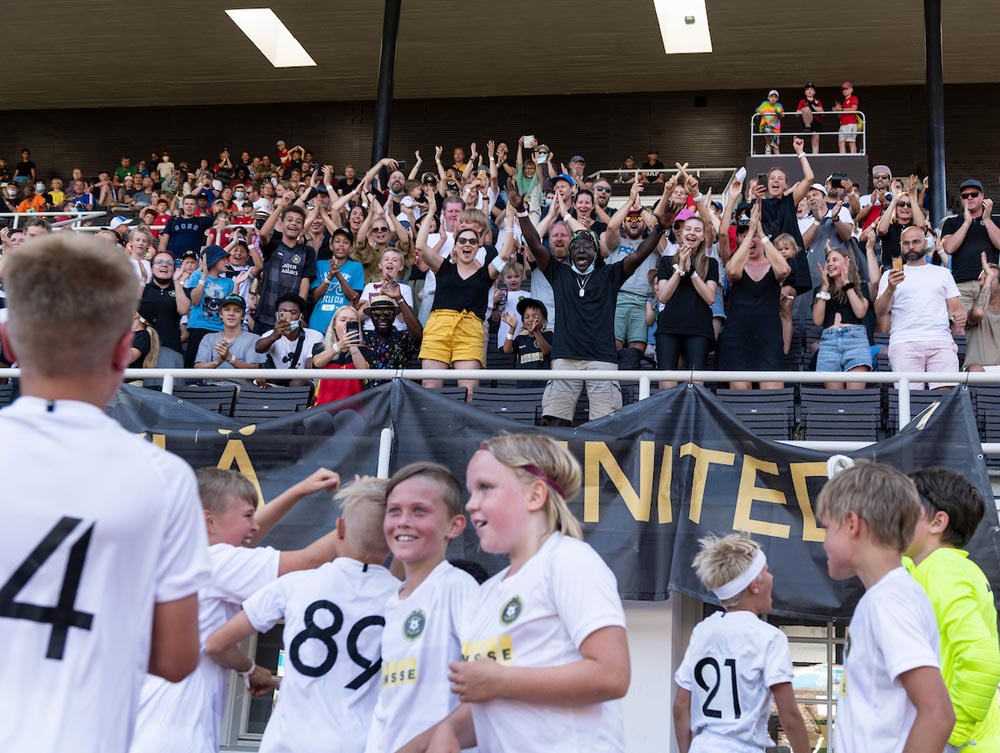
In response to these systemic challenges, ENOSS is currently collaborating with the Finnish organisation Suomen urheilijoiden koulutus- ja ammatinedistämissäätiö—associated with the Helsinki Cup, the second-largest football tournament in the world—on an international project design aiming to leverage the “behavioural architecture” of youth sport events to drive cultural change.
If your organisation is committed to protecting the future of European youth sport, we invite you to help us shape this landmark initiative. Please get in touch with us via email before 20 February to discuss potential involvement.
Photo courtesy of © Helsinki Cup